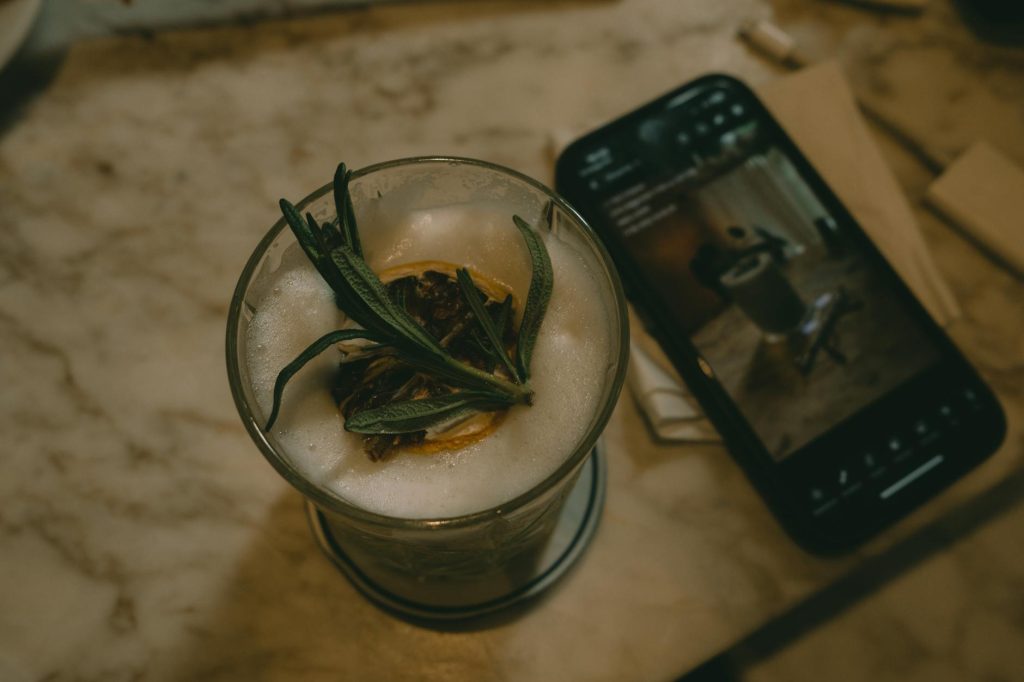

The journey of coffee, from humble green bean to aromatic brew, is a tale of transformation. At the heart of this transformation lies the art of roasting, a process where raw ingredients are coaxed to release their complex potential. It’s more than just applying heat; it’s a carefully orchestrated dance of time, temperature, and skill, yielding a spectrum of flavors that captivate coffee lovers worldwide.
The Science of the Roast: A Chemical Symphony
Roasting is essentially a controlled form of pyrolysis, where the application of heat triggers a series of chemical reactions within the coffee bean. Initially, the bean undergoes a drying phase, shedding moisture and preparing for the more dramatic changes to come. As the temperature climbs, the Maillard reaction kicks in – a complex interaction between amino acids and reducing sugars that produces hundreds of flavor compounds. This is the stage where the bean’s color starts to shift, evolving from pale green to a golden hue, and eventually to the rich browns we associate with roasted coffee. Understanding the Maillard reaction is critical for any aspiring roaster, as it directly impacts the final flavor profile. It’s the moment when the magic truly happens.
The roasting process also sees the bean’s cellular structure break down, increasing its porosity and allowing for better flavor extraction during brewing. This is the moment that caffeine levels are impacted; lighter roasts generally retain more caffeine. The internal pressure builds as CO2 and other gases are produced, and this leads to the “first crack”, a tell-tale sign of the roasting process where the bean’s cell walls rupture.
The roast level is a key factor and dictates the beans’ flavor profile. Light roasts are characterized by brighter acidity and more delicate floral or fruity notes, while dark roasts offer bolder, more intense flavors, often with hints of chocolate or caramel. The challenge for a roaster is to find the perfect balance, coaxing out the best qualities of the bean without scorching or under-developing its potential.
Decoding Roast Levels: From Blonde to Black
Roast levels aren’t arbitrary; they represent a progression of time and temperature. A light roast, often called “cinnamon” or “blonde,” is stopped shortly after the first crack, preserving more of the bean’s original characteristics, including acidity and origin flavors. Medium roasts, also known as “city” or “American,” proceed slightly further, striking a balance between acidity and body, with a more developed flavor profile. Dark roasts, such as “French” or “Italian,” are roasted the longest, pushing through the second crack, resulting in a bold, often smoky flavor and less acidity. These different levels provide the variety we love and that keeps us coming back for more.
Roast masters carefully monitor the bean’s color, aroma, and the sounds of the cracks during the roasting process. This is no time to be an amateur. They rely on their senses and the technology of the roasting equipment to guide them. The temperature curve, the rate at which the temperature changes over time, is crucial. It directly impacts the development of flavor, and roasters often have detailed profiles they follow to ensure consistency. These profiles might also contain data that help roasters and consumers understand the flavor science of their favorite brews. You can see this in how a roaster may determine what kind of flavor profile to emphasize by adjusting the roasting profile, according to the National Coffee Association.
The Equipment and Techniques: Tools of the Trade
Roasting coffee, whether at home or in a commercial setting, requires specialized equipment. Home roasters often use small batch roasters or even modified air poppers, while commercial operations employ large drum roasters that can handle hundreds of pounds of beans at a time. Drum roasters heat the beans indirectly, using convection and conduction to ensure even roasting. Fluid bed roasters, another option, use hot air to circulate and roast the beans. The choice of equipment depends on the scale of operation and desired roasting style. If you want to dive deeper into the world of brewing, you can learn about the Specialty Coffee Association, where you can find a wealth of resources.
Besides the roaster itself, other equipment is essential. Roasters need to be able to accurately measure temperature and airflow. They also need a cooling tray to quickly cool the beans after roasting, stopping the process and preserving the desired flavors. Post-roast, the beans need to be degassed for a period before they’re ground and brewed. Roasting is all about the details; it’s a test of precision.
Factors Influencing Roast Flavor: Origins and Variables
The origin of the coffee bean is a pivotal factor in the final roast profile. Beans from different regions, even from different farms within the same region, possess unique characteristics. Ethiopian Yirgacheffe, known for its bright acidity and floral notes, will roast differently from a Sumatran Mandheling, which typically displays a heavier body and earthy undertones. The bean’s density, moisture content, and the altitude at which it was grown also affect the roasting process. All of these factors must be accounted for by the roaster.
The roaster also needs to take into account the bean’s size and processing method. Beans processed through a washed method (where the fruit is removed before drying) typically yield a brighter, cleaner cup than those processed by a natural (dry) method, which retains more of the fruit’s sugars and impacts the final flavor. The skill is in knowing how to adjust the roast to complement each bean’s inherent qualities, highlighting its best characteristics.
Roasting at Home: A DIY Adventure
Roasting at home offers the ultimate control over your coffee experience. It allows you to explore different origins and roast levels, customizing your brew to perfection. While it requires some investment in equipment and a learning curve, the rewards are well worth the effort. Home roasters can start with small batch roasters or even experiment with modified air poppers. The key is to start with high-quality green beans. Many online retailers offer a wide variety of green coffee, sourced from around the world. As you gain experience, you can experiment with different roast profiles. It’s an opportunity to become a true artisan.
Roasting at home allows you to take control of the entire experience. It’s also an excellent way to impress your friends and develop a serious coffee habit. It can be a very rewarding passion.
Conclusion: Brewing Perfection, One Roast at a Time
The art of coffee roasting is a journey of discovery, a quest to unlock the full potential of each bean. It’s a delicate balance of science, skill, and intuition, where every decision has an impact on the final cup. Whether you’re a seasoned barista or a curious coffee lover, understanding the roasting process is key to appreciating the complexities of coffee. Roasting is more than just a technique; it is a means of connecting with coffee culture.
Let’s be real, you might need a serious mug to drink all this delicious coffee. Especially when you’re going deep into the science. And, since we are talking about coffee… if you want to make a statement, you can always treat yourself and express your dark humor, you can grab one of these funny coffee mugs.