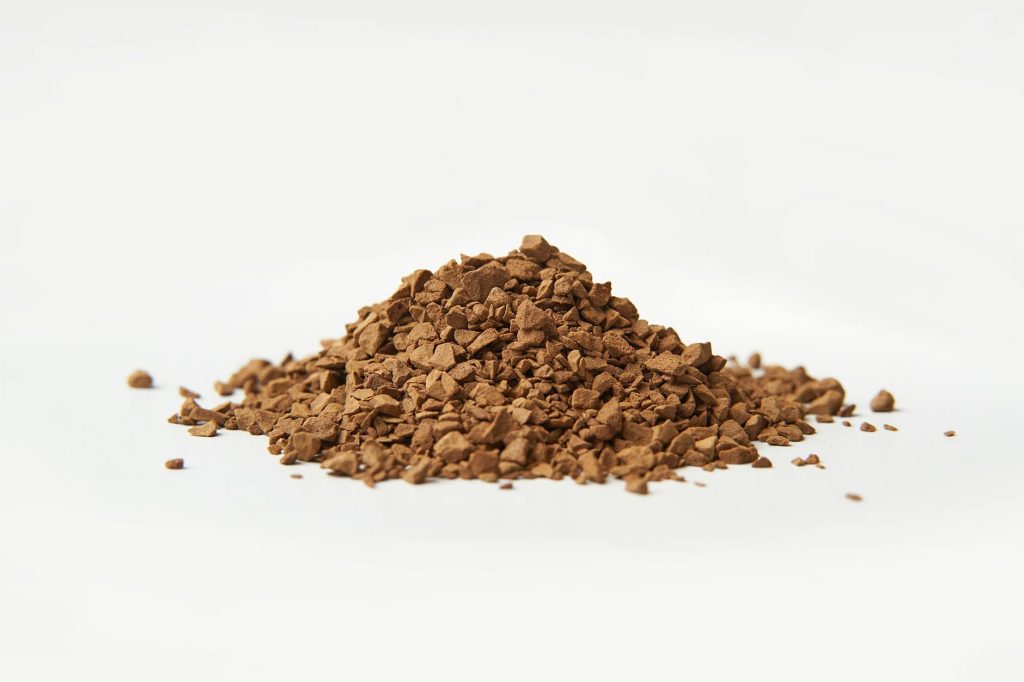

Coffee, that elixir of life, fuels our mornings and powers our productivity. But what about the leftovers? For years, the mountains of coffee grounds, chaff, and discarded beans have been treated as mere waste. It’s time to change that. Coffee waste, it turns out, is a treasure trove of untapped potential.
The Coffee Circular Economy: A Brewing Revolution
The concept of a circular economy is gaining serious traction, and the coffee industry is starting to embrace it. Instead of a linear ‘take-make-dispose’ model, a circular economy aims to keep resources in use for as long as possible, extracting maximum value and minimizing waste. This shift is not just an environmental imperative; it’s a smart business move. Coffee waste, when repurposed, can create new revenue streams, reduce disposal costs, and enhance a company’s sustainability profile. That’s a triple win, baby!
One of the earliest applications of coffee waste recycling involves turning spent grounds into compost. Coffee grounds are rich in nitrogen, a vital nutrient for plant growth. When added to soil, they improve drainage, aeration, and water retention, creating a healthier environment for plants. Many home gardeners and commercial farmers alike are now incorporating coffee grounds into their composting systems. The result? Lush gardens, thriving crops, and a reduced need for chemical fertilizers. If you ask me, that’s what I call a green future.
However, composting is just the tip of the iceberg. The ingenuity of scientists and entrepreneurs has led to the development of many additional methods to recycle coffee waste.
Fueling the Future: Coffee Waste as Biofuel
Believe it or not, your morning coffee grounds can help power your car. Coffee waste can be transformed into biodiesel, a renewable fuel that can replace or be blended with traditional petroleum-based diesel. The process typically involves extracting the oil from the grounds and then converting it into biodiesel through a chemical reaction. This biofuel can significantly reduce greenhouse gas emissions compared to fossil fuels. In fact, research published by the U.S. Energy Information Administration shows that biofuels, including those made from coffee waste, can lead to a considerable reduction in carbon emissions, contributing to a cleaner atmosphere and reducing our dependence on finite resources.
The potential for coffee-derived biofuels is enormous. Globally, millions of tons of coffee waste are generated annually, representing a vast, untapped energy resource. Furthermore, by using coffee waste to produce fuel, we are cutting down on the need for land and resources that would have otherwise been used to produce traditional biofuels from crops.
Beyond Biofuel: Coffee Waste in Cosmetics and Construction
The applications of coffee waste extend far beyond energy. The cosmetic industry has discovered the exfoliating and antioxidant properties of coffee grounds. Ground coffee is a popular ingredient in scrubs and soaps, helping to improve skin texture and reduce the appearance of cellulite. Furthermore, the caffeine in coffee can stimulate blood flow and may even have anti-aging benefits.
The construction industry is also getting in on the act. Researchers have explored using coffee waste as a sustainable additive in concrete. Coffee grounds can enhance the strength and durability of concrete, reducing the need for traditional building materials and lessening the environmental footprint of construction projects. This approach is in line with the growing global trend of adopting green building materials and practices, showcasing the versatility of coffee waste in unexpected areas. For more details, consult studies in the ScienceDirect database for the latest research on the application of coffee waste.
Challenges and the Road Ahead
While the potential for coffee waste repurposing is vast, it’s not without its challenges. The collection, transportation, and processing of coffee waste require efficient infrastructure and sustainable practices. The industry must overcome logistical hurdles and ensure that repurposed products are safe, effective, and economically viable. However, the momentum is building. As technology advances and awareness grows, the circular economy model for coffee waste will become more prevalent.
The future is brewing bright for coffee waste! As the coffee industry recognizes and tackles these challenges, we can expect to see even more ingenious applications of coffee byproducts, paving the way for a more sustainable and resource-efficient world.
So next time you brew a cup of coffee, remember that the grounds aren’t just trash. They are a resource, a testament to innovation, and a symbol of our potential to create a greener future.