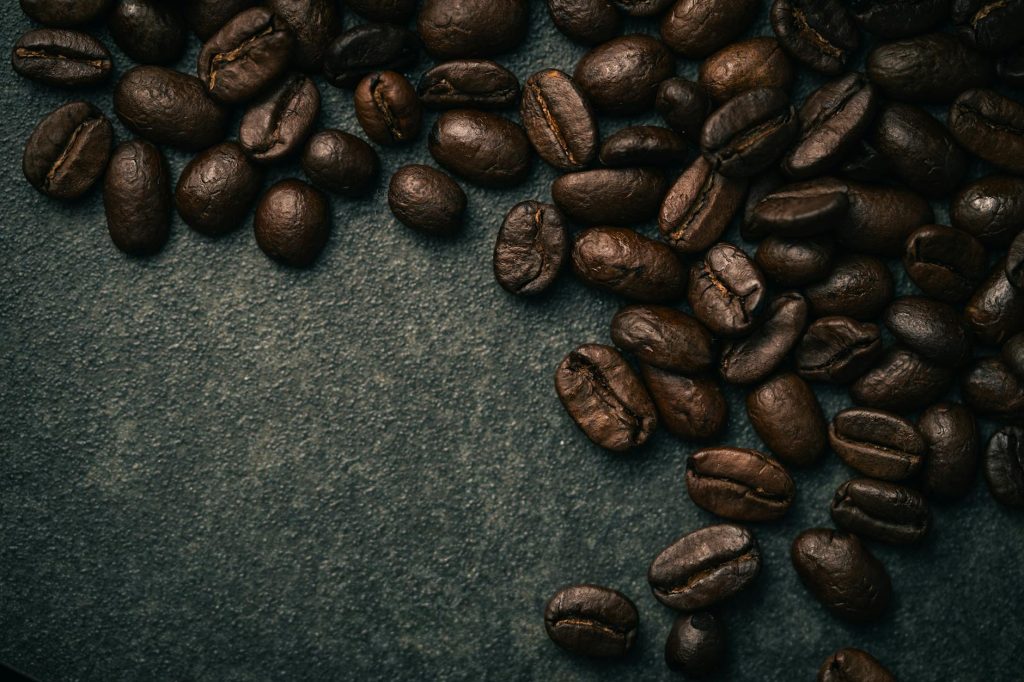

That jolt of energy, that comforting aroma, that familiar routine… coffee isn’t just a beverage; it’s a deeply ingrained part of our daily lives. But why? What is it about that bitter, dark elixir that has us returning for more, day after day? Let’s crack open the science and explore the psychology of coffee.
The Caffeine Connection: More Than Just a Buzz
Caffeine, the active ingredient in coffee, is a psychoactive drug, and its effects are undeniable. It works by blocking adenosine, a neurotransmitter that promotes relaxation and drowsiness. By blocking adenosine, caffeine essentially tricks your brain into staying awake and alert. But the impact is far more nuanced than a simple ‘wake-up call’.
One of the primary effects of caffeine is the release of dopamine, a neurotransmitter associated with pleasure and reward. This creates a positive feedback loop, associating coffee consumption with feelings of well-being and satisfaction. This is a critical component in understanding why coffee consumption becomes so habitual. The brain quickly learns to crave the cognitive and emotional boosts caffeine provides, leading to a strong psychological association between coffee and these positive experiences.
Studies have shown that regular coffee consumption can lead to changes in brain structure and function, including increased dopamine receptors. This can explain why coffee drinkers often develop tolerance, needing more caffeine to achieve the same effects over time. You’re not just chasing a buzz; you’re rewiring your brain’s reward system.
The Ritualistic Brew: Coffee as Ceremony
Beyond the pharmacological effects of caffeine, the act of drinking coffee is often steeped in ritual. For many, the process of making coffee is a calming and grounding part of their day. Whether it’s the meticulous pour-over method or the simple ease of a drip machine, the ritual provides a sense of control and predictability.
These rituals vary wildly, of course. Some folks are all about the precise measurements and brewing techniques, aiming for the perfect extraction, every time. Others want the ritual to be the least possible friction on their day, and want the fastest, easiest possible path to their first cup.
The cultural context of coffee consumption further solidifies its importance as a ritual. In many cultures, coffee is a social lubricant, a catalyst for connection and conversation. Coffee shops serve as communal spaces, fostering a sense of belonging. The smell of brewing coffee, the clinking of mugs, and the familiar chatter create an atmosphere that can be deeply comforting.
Habit Formation: Coffee’s Grip on Our Routine
Habit formation plays a crucial role in our coffee consumption. Behaviors that are repeated consistently become ingrained in our routine, often operating outside of conscious awareness. Over time, the association between specific cues (like waking up, arriving at work, or feeling stressed) and coffee consumption becomes incredibly strong.
Consider the daily routine of a typical coffee drinker. Waking up, hitting the kitchen, and brewing a cup might feel as natural as breathing. This pattern reinforces the habit, making it difficult to break. Scientific research on habit formation highlights this phenomenon, showing how environmental cues, like the sight of a coffee maker, can trigger cravings, even when the physiological need for caffeine is low.
The impact of habit formation also extends to the emotional realm. Coffee can become a coping mechanism for stress, anxiety, or boredom. When faced with a negative emotion, people often reach for coffee to find temporary relief, which further strengthens the habit loop.
The Role of Expectation and Placebo Effect
The expectation of feeling more alert and focused can influence the psychological impact of coffee. Even if someone were to drink decaffeinated coffee, they might still experience some of the perceived benefits of caffeine, simply because they anticipate them.
This is where the placebo effect comes in. Our brains are incredibly powerful, and our beliefs about a substance or experience can influence our perception. If we believe coffee will make us more productive or enhance our mood, it’s more likely that it will.
This is partly why the ambiance of a coffee shop—the soft lighting, the background music, and the aroma of freshly brewed coffee—contributes to the overall experience. Mayo Clinic’s caffeine guide touches on how a coffee shop’s environment can augment caffeine’s effects. The combination of caffeine’s physiological effects with the psychological expectations and sensory cues creates a powerful and multifaceted experience.
Coffee and Culture: A Global Brew
Coffee’s story is the story of culture itself. From the bustling cafes of Vienna to the single-origin shops of Portland, the way people consume coffee varies enormously, reflecting the cultures they live in.
Coffee is also intricately linked with history and economics. The global coffee trade has shaped entire economies and played a role in the rise and fall of empires. The history of coffee is a testament to its enduring appeal, and the way it continues to evolve and adapt to different cultural contexts.
In many cultures, coffee is more than just a drink; it’s a social ritual. It’s a way to connect with others, to share ideas, and to build community. That’s why coffee shops have become central to community life, providing a space for conversation, creativity, and connection.
Conclusion: Your Coffee Journey
The psychology of coffee is a complex and fascinating subject. It’s a blend of pharmacology, ritual, habit, culture, and expectation. Understanding these factors can help us appreciate the nuanced ways in which coffee shapes our lives.
Whether you’re a seasoned coffee aficionado or a casual drinker, consider how your own coffee habits and preferences reflect these psychological forces. Next time you reach for that morning brew, take a moment to savor the experience and appreciate the multifaceted reasons why you find yourself drawn back to that familiar cup.
And speaking of the perfect cup… You know, a solid mug can really elevate your coffee experience. Whether you’re fueling up for a long day of trading or just need something to enjoy your pour over, there’s nothing like the ritual of a great cup made even better with a badass mug. Want to let the world know you’re not messing around? Consider getting yourself the boss coffee mug.