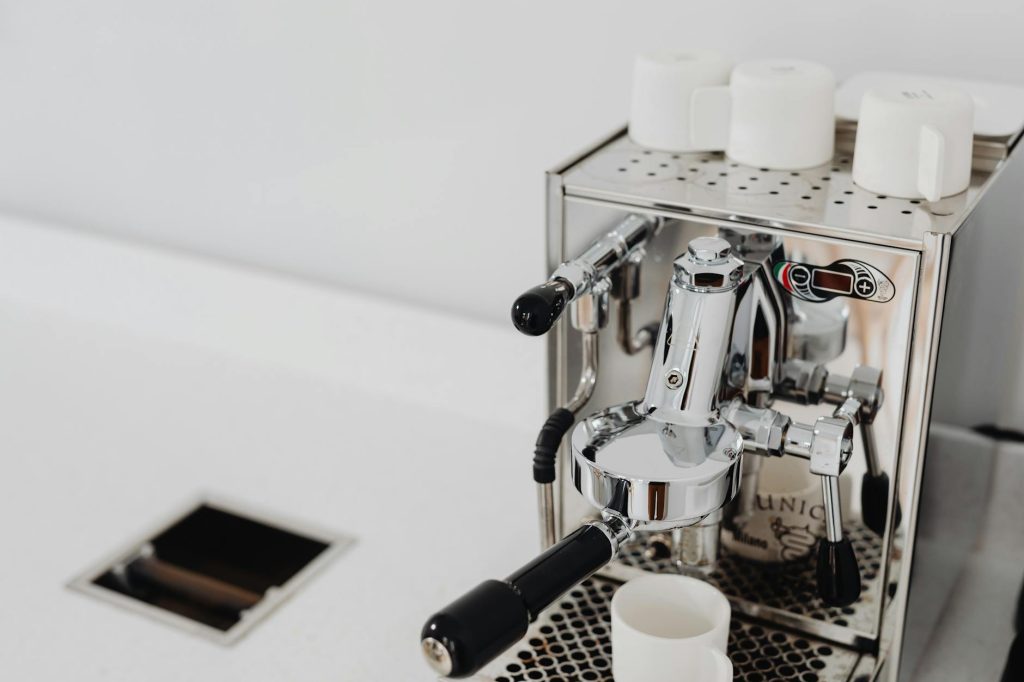

Ever wondered how that perfect cup of coffee is made? It’s not just about the beans; the equipment plays a starring role in the coffee’s final taste. From the humble hand grinder to the high-tech espresso machine, the evolution of coffee equipment is a fascinating journey. Let’s get brewing.
The Dawn of the Grind: Early Coffee Tools
Before the digital age, coffee preparation was a hands-on affair. The earliest tools were simple: mortars and pestles, followed by hand grinders. These early devices, often made of wood and metal, relied entirely on human power. The goal? To crush those precious roasted beans into a coarse powder, the first step towards unlocking their hidden flavors. The process was slow and laborious, but it was the only way.
The innovation that followed centered on efficiency and consistency. Conical burr grinders, with their rotating grinding wheels, made the process faster and more uniform. The evolution of grinders represents the relentless human drive to improve, a concept every metalhead can relate to. Because, let’s face it, we love the grind too.
The Espresso Revolution: Machines That Changed Everything
The birth of the espresso machine in the early 20th century was a game-changer. These machines, originally designed in Italy, used steam pressure to force hot water through finely ground coffee. The result? A concentrated, flavorful shot of espresso, the foundation for a multitude of coffee drinks. The espresso machine wasn’t just a new tool; it was a symbol of speed, efficiency, and a new coffee culture that emerged.
Early espresso machines were massive and mechanically complex. Skilled baristas needed to understand pressure, temperature, and grind size to pull a decent shot. There was a learning curve, and the results were inconsistent. But the potential was undeniable. A good espresso machine, and a skilled barista, was a thing of beauty.
As the industry developed, so did the technology. In the 1960s, the invention of the electric pump allowed for more precise pressure control. Later, digital controls made it possible to fine-tune every aspect of the brewing process. Even the materials evolved, from the early brass and steel to high-tech stainless steel. This all increased the potential for a far superior brew.
Burr Grinders vs. Blade Grinders: Which Is Best?
The quest for the perfect grind is a constant one. It all starts with the grinder. One of the first decisions any coffee enthusiast makes is between a burr grinder and a blade grinder. The difference? Precision. Blade grinders chop the beans haphazardly, resulting in uneven particle sizes. This leads to inconsistent extraction and a less-than-ideal flavor profile.
Burr grinders, on the other hand, use two revolving abrasive surfaces (burrs) to crush the beans evenly. The result? A consistent grind that allows for uniform extraction. While they can be more expensive than blade grinders, burr grinders are a worthwhile investment for serious coffee lovers. You need a good grinder, a good coffee machine, and then… it’s all about technique.
When selecting a burr grinder, consider these factors: burr material (ceramic or steel), grind adjustment settings, and the overall build quality. A quality grinder will deliver a grind that’s consistent, leading to a better cup of coffee. The National Coffee Association provides some helpful tips on brewing, that can assist in determining your equipment needs. One of the best resources for equipment reviews is The Specialty Coffee Association.
The Rise of Automated Brewing Systems
Automation has revolutionized many aspects of coffee preparation. Drip coffee makers, once rudimentary, now feature advanced features like programmable timers and integrated grinders. These machines simplify the brewing process, allowing coffee drinkers to enjoy a fresh cup without the fuss.
Super-automatic espresso machines have taken automation a step further. These machines grind the beans, tamp the grounds, and brew the espresso – all at the touch of a button. They offer convenience but often sacrifice some of the nuanced control that manual machines provide. These automatic systems are ideal for busy lifestyles.
The Future of Coffee Equipment: Trends and Innovations
The coffee industry continues to evolve. New technologies are constantly emerging to improve efficiency, precision, and the overall coffee experience. One notable trend is the rise of smart coffee makers, which connect to Wi-Fi and allow users to control brewing settings remotely. Another is the use of thermal imaging to monitor extraction, giving baristas real-time feedback on their brewing technique.
Sustainability is also a growing concern. Manufacturers are now looking to create more energy-efficient machines, reduce waste, and incorporate recycled materials. The industry is also paying more attention to the water they use, with new filtration systems that remove impurities to produce a perfect cup every time. After all, the best equipment is useless if you don’t take care of the essentials.
The Perfect Grind: Your Ultimate Goal
Whether you’re a home brewer or a professional barista, the goal remains the same: to extract the best possible flavors from the coffee beans. This means investing in quality equipment, understanding the nuances of the brewing process, and experimenting until you find the perfect setup. This is the quest.
So, get out there and explore the world of coffee equipment. Whether you’re a gearhead or an aficionado, there’s always something new to learn and discover. So, grab a mug, fire up the grinder, and enjoy the perfect cup of coffee.
And while you’re at it, have you thought about what kind of mug you want to enjoy your freshly brewed coffee? We know someone who can hook you up. Because a great coffee also needs a badass mug to go with it. So if you’re looking for a way to let the world know you’re a total boss when it comes to trading in the stock market, you could pick up a stock market mug for guys. Get out there and show them what you got!